Carry Method

Pocket Carry

The most convenient way to carry a small pistol — drop it in a front pocket and go. The one rule: it must ride in a dedicated pocket holster that covers the trigger and breaks up the gun's outline.

What is pocket carry?

Pocket carry means carrying a small handgun in a front trouser or jacket pocket, always inside a pocket holster. The holster does three essential jobs: it covers the trigger so nothing can fire the gun, holds the pistol upright for a consistent draw, and disguises the outline so it reads as a wallet or phone, not a firearm.

It's hard to beat for convenience and deep concealment with a pocket .380 or slim 9mm. You can carry in gym shorts or a suit, and a hand resting in your pocket on the grip is completely natural. The trade-offs are a slower, more limited draw and a strict size ceiling on the gun.

Done correctly, pocket carry is a legitimate primary method for a small gun and an excellent backup option. Done without a holster, it's genuinely dangerous — so the holster isn't optional.

Pocket carry at a glance

Concealability
Comfort
Accessibility
Retention
Ease of use

Scores are relative to other carry methods, 1 (low) to 5 (high).

Pros and cons of pocket carry

Pros

  • Extremely convenient — no belt required
  • Deep concealment for a small pistol
  • A hand on the grip looks completely natural
  • Works with almost any wardrobe
  • Inexpensive to set up

Cons

  • Limited to small, light handguns
  • Slower draw, especially seated
  • Pocket must be dedicated — nothing else in it
  • Bulkier guns print as a square in the pocket
  • A pocket holster is mandatory for safety

Never pocket carry without a holster. Keys, coins or a phone in the same pocket can reach the trigger or foul the draw. Use a dedicated pocket and a holster that fully covers the trigger guard.

Who pocket carry is best for

Pocket carry suits people carrying a genuinely small pistol who value convenience and don't want to build their wardrobe around a belt — as well as anyone wanting a discreet backup gun. If you carry a compact or larger, pocket carry won't work; look at IWB or appendix instead.

Tips for pocket carrying well

  • Match the holster to the pocket. A tacky exterior grips the fabric so the holster stays behind as you draw the gun clean.
  • Keep the pocket empty. Nothing else goes in there — ever.
  • Choose loose-ish front pockets. Roomy, slightly structured pockets conceal and draw better than tight ones.
  • Practice the draw. Pocket draws are slower; rehearse clearing the pocket cleanly and safely.
  • Pick a flat, snag-free gun. A hammerless revolver or a slim striker pistol draws without catching.

Best pocket holsters

Disclosure: We independently research what we recommend and may earn a commission if you buy through links on this page — at no extra cost to you. Learn more.

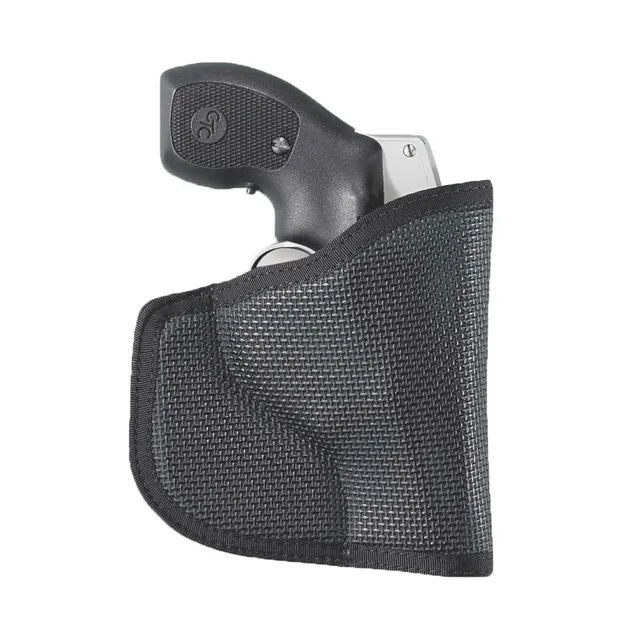
DeSantis Nemesis holster Best pocket holster

DeSantis Nemesis

DeSantis · Tacky-exterior nylon

  • Sticky exterior grips the pocket so the gun draws clean
  • Breaks up the pistol's outline
  • Light, packable, inexpensive
$20–$30 Check Price
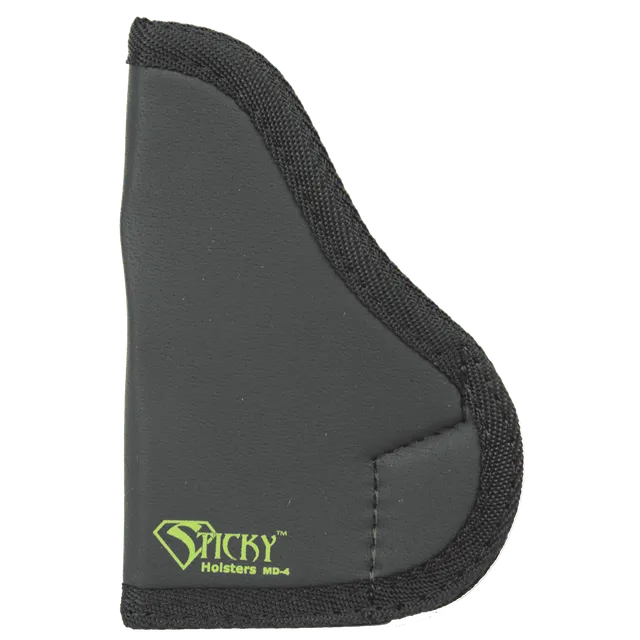
Sticky Holster holster Best clipless do-anything

Sticky Holster

Sticky Holsters · Tacky synthetic, clipless

  • No clip — friction holds it in pocket or waistband
  • Works for pocket, IWB, and belly-band use
  • Ambidextrous and minimalist
$25–$35 Check Price

Quick comparison

Holster Best for Material Price Link
DeSantis Nemesis Best pocket holster Tacky-exterior nylon $20–$30 Check Price
Sticky Holster Best clipless do-anything Tacky synthetic, clipless $25–$35 Check Price

Frequently asked questions

Do I really need a pocket holster?
Yes — always. A pocket holster covers the trigger so nothing in your pocket can fire the gun, keeps it oriented for a clean draw, and breaks up the outline so it doesn't look like a gun. Carrying loose in a pocket is unsafe.
What guns are suited to pocket carry?
Small revolvers and micro/subcompact semi-autos (think pocket .380s and slim 9mms). Anything larger prints badly and weighs the pocket down.
Which pocket should I use?
A dedicated front pocket, empty of everything else. Never share the pocket with keys, coins, or a phone — they can interfere with the trigger area or snag the draw.

Related carry methods